
Discover our solutions for Lithium-ion battery manufacturing
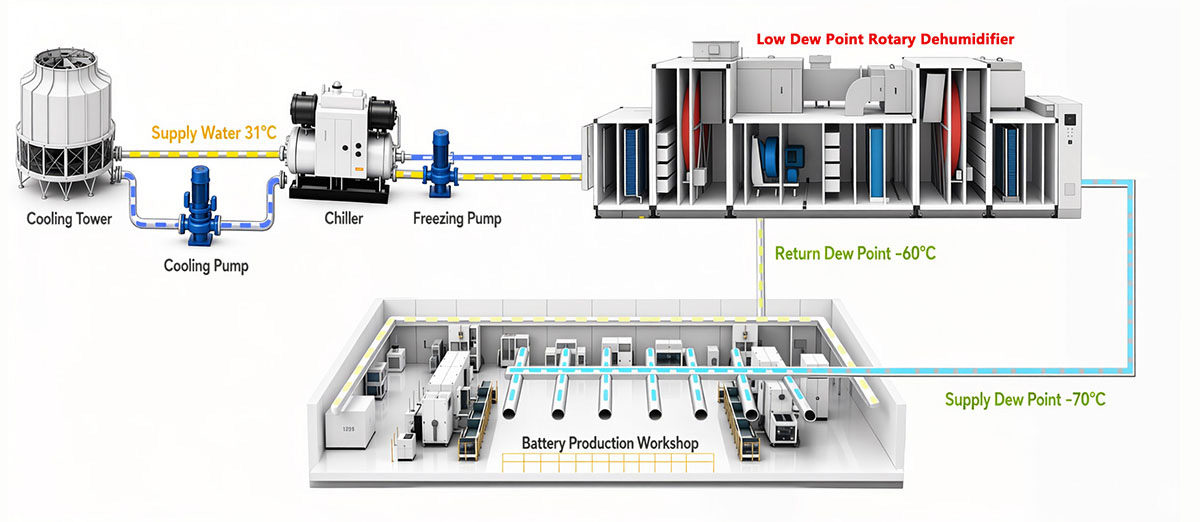
Lithium‑ion‑battery manufacturing demands strict environmental control for each production step including slurry mixing, electrode coating, winding, cell assembly and battery‑pack processing. Even tiny metal dust or excessive moisture can trigger battery defects, capacity degradation and potential safety risks. The biggest technical difference for lithium‑battery workshops compared to general cleanrooms lies in ultra‑low‑humidity dry‑room requirements, where rotary dehumidification system acts as core facility to achieve low dew‑point environment.
OCCR delivers full‑scope lithium‑battery cleanroom & dry‑room turnkey EPC solutions for cathode‑anode material workshops, cell‑manufacturing and battery‑pack assembly lines. Our scope includes ultra‑clean air‑purification system, anti‑static wall‑ceiling‑floor materials, specialized lighting, low‑dew‑point rotary dehumidifier and precise temperature‑humidity control system, offering complete design‑build, installation, commissioning and on‑site validation service for Indonesia, Southeast‑Asia and Africa new‑energy projects.

Protect process
Block metal particles and moisture contamination for lithium‑ion cell production.

Improve quality
Reduce battery defect rate and enhance finished‑cell consistency & safety.

Energy-saving
Optimized rotary desiccant dehumidifier & AHU for lower operating power consumption.

Strict standards
Fully comply with ISO14644 and lithium‑ion‑battery manufacturing safety specifications.
Core Challenges for Lithium Battery Manufacturing Workshop
Ultra Low Dew Point Hard to Maintain
Indonesia high tropical humidity easily penetrates workshop enclosure, making it difficult to stably keep dew point ≤ -40℃ for cell assembly dry room.
ESD & Static Discharge Hazards
Static electricity may damage raw material and finished cells, bring fire & explosion risk without complete anti-static wall, floor and grounding design.
Metal Particle Contamination
Fine metal dust will cause internal short circuit of lithium cells, strict particle filtration and cleanroom classification is required for coating & winding process.
High Energy Consumption
Continuous dehumidification & air circulation consumes huge power. Poor design will lead to excessive long-term operation cost for battery factories.
Lithium-ion battery production in tropical Indonesia faces unique environmental and safety hurdles. OCCR’s integrated turnkey EPC dryroom & cleanroom solutions directly solve these challenges, delivering stable low dew-point, ESD protection and reliable enclosure performance for your cell manufacturing lines.
Applications
Walls and Ceiling
The wall surfaces and ceilings usually adopt color steel plate materials. Their surfaces are flat and smooth, easy to clean, and have good air tightness. The joints between color steel plates are sealed with sealant to prevent air leakage and dust from entering.
lighting System
Cleanroom lighting generally uses clean fluorescent lamps or LED lamps. These lamps should have good sealing performance to prevent dust and moisture from entering. The lighting intensity should meet the requirements of production operations. Generally, it is between 300 and 500 lux. At the same time, shadows and glare should be avoided to ensure that operators can clearly see production details.
Floor and Windows
Floor Material
The floor of a clean room generally adopts epoxy self-leveling ground or PVC anti-static ground. Epoxy self-leveling ground has the advantages of being seamless, flat, and corrosion-resistant, and can effectively prevent the generation and accumulation of dust. PVC anti-static ground can avoid damage to electronic equipment and battery materials caused by static electricity. Its surface resistance is generally between 10⁶ and 10⁹ ohms.
Window material
The door and window materials should be specialized for dust-free rooms, ensuring tight sealing and cleanliness.
Air Purification System
During the production process of lithium batteries, a significant amount of dust and harmful gases are generated. Besides requiring HEPA/ULPA air filters, FFUs (Fan Filter Units), and high-efficiency air supply outlets for purifying particulate matter, chemical filters are also necessary to remove harmful gases and prevent corrosion and damage to electronic components. Additionally, to avoid contamination from the movement of personnel and cargo, equipment such as transfer windows and air showers are required.
Temperature and Humidity Control System
The temperature and humidity control system for lithium battery clean rooms needs to meet the following key requirements and characteristics:
Strict temperature and humidity control: The temperature needs to be maintained between 20°C and 25°C,Lithium battery production (e.g., electrode coating, cell assembly) demands extremely dry conditions (often ≤1% RH), with specific processes even requiring a dew point temperature of ≤-60°C, to ensure battery performance and safety.
Moisture Control System: Rotary dehumidifiers efficiently remove moisture from the air, preventing electrolyte degradation and ensuring consistent battery performance.
High accuracy and stability: Advanced sensors and control systems are employed to achieve temperature fluctuations within ±0.5°C and humidity fluctuations within ±3%RH, ensuring long-term stable operation.
Intelligent management: Integrated with Internet of Things (IoT) technology, it enables remote monitoring, intelligent regulation, and data visualization, improving management efficien cy and ensuring production safety.
Energy-saving and environmentally friendly: Optimized control algorithms and energy-saving equipment are adopted to reduce energy consumption and comply with environmental protection requirements.
Our Full EPC Services for Lithium Battery Cleanroom
One-stop turnkey cleanroom solution for Lithium-ion battery & new energy production workshop
Planning & Low-Dew-Point Oriented Engineering Design
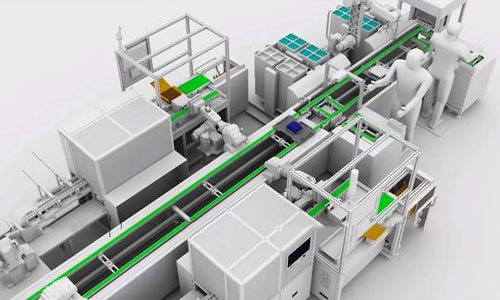
Develop custom lithium battery cleanroom layout, airflow zoning and pressure cascade design for electrode coating, cell assembly and electrolyte filling. Designs are pre-adapted for tropical high humidity and local power constraints in Indonesia, Southeast Asia and East Africa, fully aligned with anti-static & explosion-proof requirements.
Procurement & Anti-Static Grade Component Supply
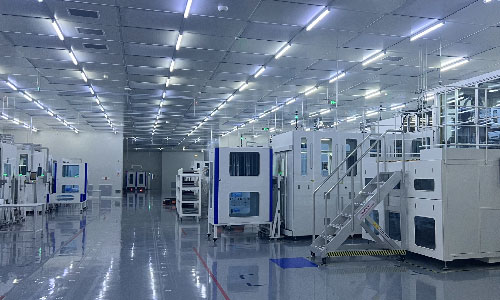
Source explosion-proof cleanroom panels, dehumidification & filtration systems, clean utilities and moisture-proof hardware for lithium battery facilities. All materials are selected to resist tropical moisture and mold growth, supplied as integrated parts of our turnkey EPC projects.
Construction & On-Site Installation for Lithium Battery Facilities
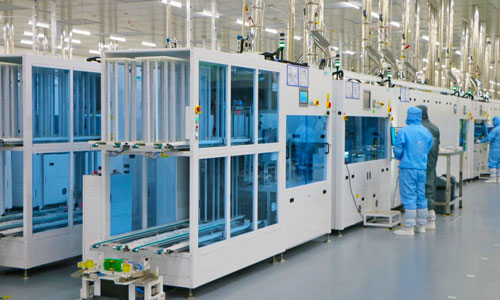
Professional on-site construction and installation of low dew point lithium battery cleanrooms. Our site management team coordinates local subcontractors, executes contamination-controlled construction practices to protect moisture-sensitive critical zones during build-out across tropical regions.
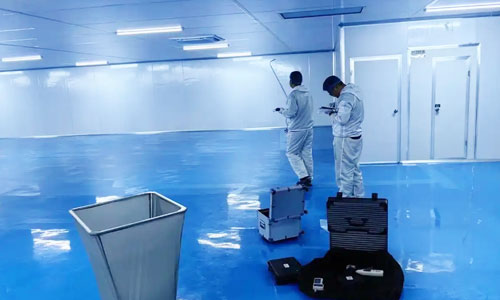
Commissioning, Testing & Cleanroom Qualification
Full system balancing, particle & humidity monitoring, dew point stability testing and formal cleanroom qualification. Deliver complete qualification documentation for lithium battery production audit.
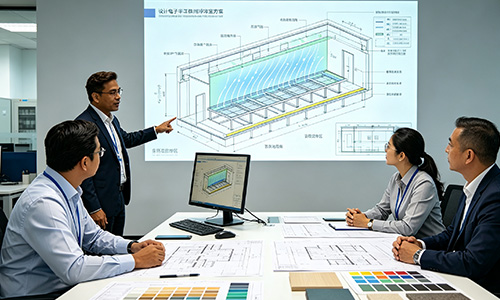
Safety & Lithium Battery Code Compliance Consulting
Provide regulatory consulting for lithium battery cleanroom projects. Support clients to meet local industrial safety, explosion protection and low-humidity workshop standards.
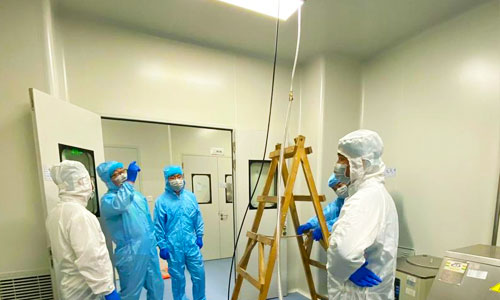
Long-term Cleanroom Maintenance
Provide long-term cleanroom operation support, preventive maintenance, HEPA filter replacement, dehumidifier inspection and anti-static performance testing to sustain stable low-moisture production environment.
Customer Stories
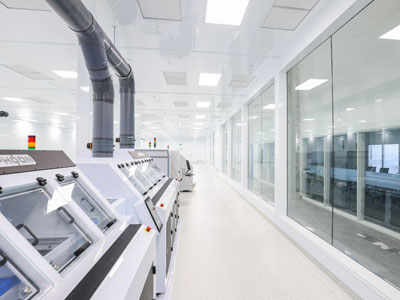

Discover our products for Lithium-ion battery manufacturing cleanroom


Why Choose OCCR for Lithium-Battery Cleanroom & Dry-Room
Low-Dew-Point Dry-Room Expertise
Professional dry-room engineering for lithium-ion cell assembly, realize ultra-low-humidity environment with rotary desiccant wheel dehumidification, meet strict dew-point requirement for electrolyte
Anti-Static ESD-Safe Cleanroom Design
Full-set anti-static wall, ceiling, flooring and hardware solutions, eliminate static-discharge risk for sensitive lithium-battery raw-material and semi-finished-goods.
Tropical-Climate-Optimized Solution
Specially engineered for Indonesia high-ambient-humidity condition, solve vapor-leakage risk and reduce dehumidifier operating-load in tropical factories.
Full Turnkey EPC Design-Build
One-stop service covering requirement assessment, layout design, material supply, site construction, MEP-HVAC-dehumidifier installation, commissioning and validation documentation.
Battery-Safety Risk-Control Design
Dust-explosion prevention, gas-exhaust-treatment, pressure-cascade airlock and vapor-tight-envelope construction for lithium-battery manufacturing safety.
Local Indonesia Team & After-Sales
PT Ocean Purification Indonesia Jakarta-based team, provide local on-site installation, test-run, periodic maintenance for lithium-battery clean-room & dry-room projects across SEA.