
A Comprehensive Guide to the Final Acceptance Inspection of CleanRooms
- On 2026-05-15 15:44:36
- By OCCR
Cleanrooms, also known as clean factories, are indispensable core facilities in industries such as electronics, pharmaceuticals, food, and precision manufacturing. Their cleanliness and performance stability are directly related to product quality and production safety. As a key link before a clean factory is put into use, the final acceptance inspection is the "last line of defense" to verify project quality and ensure that the facilities meet design standards and usage requirements. This article will detailedly explain the process, core content and relevant requirements of the final acceptance inspection of clean factories, allowing everyone to fully understand the key points of this professional link.
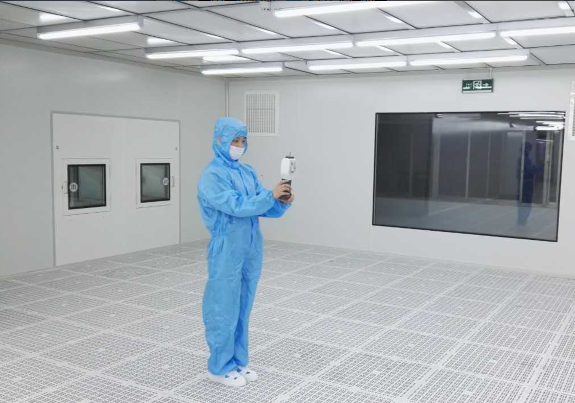
The final acceptance inspection of a clean factory shall be carried out after the successful completion of the commissioning of individual units in each division and the self-inspection of the no-load system commissioning. Simply put, the construction unit first completes the commissioning of individual equipment and the self-inspection of the entire system under no-load operation. After confirming that there are no problems, the relevant parties will conduct a comprehensive inspection and acceptance together. The core content of the final acceptance inspection mainly includes four categories: first, verify the results of the commissioning of individual units and the no-load system commissioning of each division project; second, detect and debug various performance parameters of the clean room (area); third, verify the appearance quality of each division project; fourth, complete various functional tests and debugging in accordance with design and specification requirements to ensure that all facilities of the factory meet the expected use standards.
I. Necessary Documents for Final Acceptance Inspection
The first link of the final acceptance inspection is document verification. Complete and standardized documents are important evidence of qualified project quality. Usually, the following 8 types of documents and records need to be focused on to ensure that every process is traceable:
Records of drawing review, design change notices and as-built drawings: Record the communication and confirmation of engineering design, the specific content of design changes, and the final as-built drawings that conform to the actual construction situation, which is the core basis for verifying whether the project is constructed in accordance with design requirements;
1. Factory qualification certificates and incoming inspection reports of main equipment, materials and instruments in each division project: Ensure that the used equipment, materials and instruments meet relevant national standards and design requirements, and ensure project quality from the source;
2. Installation and inspection records of individual equipment and systems in each division project: Detailedly record the installation process and quality of individual equipment, as well as the inspection results after system installation, to confirm that the installation link meets the specifications;
3. Commissioning records of individual units in each division: Record the commissioning time, parameters and operation status of individual equipment to confirm that the equipment can start normally and operate stably;
4. No-load commissioning and debugging records of each division project and system: Record the operation status, debugging process and results of the entire system under no production load to verify the stability of the overall operation of the system;
5. Test and inspection records of various pipelines: Including pressure test, tightness inspection and other records of water supply and drainage, electrical, ventilation and other pipelines to ensure that the pipelines have no leakage and are safe to operate;
6. Inspection and debugging records of safety facilities in each division project: Verify the installation quality and debugging effect of safety facilities such as fire protection, emergency and protection to ensure production safety;
7. Quality acceptance records of each division project: Record the quality inspection results during the construction of each division project to confirm that each division project meets the qualified standards.
II. Main Test Contents of Final Acceptance Inspection
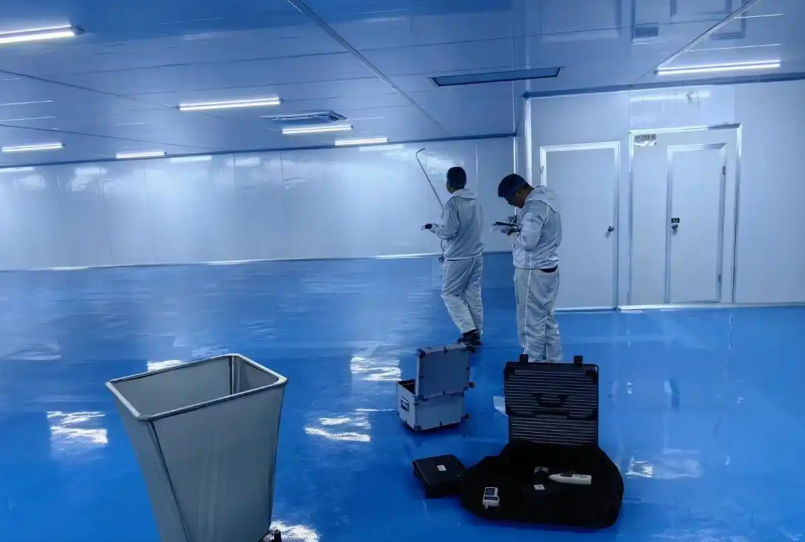
After the documents are verified to be qualified, the on-site test link will be entered, focusing on testing various performance parameters of the clean factory to ensure that it meets the cleanliness level and usage requirements. The main test contents include 11 items:
Visual inspection of air flow: Intuitively observe the flow state of air flow in the clean room (area) to confirm that the air flow is evenly distributed without dead corners or turbulent flow;
1. Wind speed and air volume test: Detect the wind speed and air volume in the clean room (area) to ensure that it meets the design standards, which is the basis for ensuring cleanliness;
2. Leakage test of air filters: Check the sealing performance of air filters to prevent unfiltered air from entering the clean area and affecting cleanliness;
3. Tightness test of clean room (area): Detect the tightness of doors, windows, pipeline interfaces and other parts of the clean room (area) to avoid the infiltration of external pollutants;
4. Static pressure difference test between rooms: Test the static pressure difference between rooms of different cleanliness levels, and between clean areas and non-clean areas, to ensure that air flows from high cleanliness level areas to low cleanliness level areas and prevent the spread of pollutants;
5. Air cleanliness level: A core test item to detect the number of suspended particles in the air in the clean room (area) and confirm that it meets the designed cleanliness level (such as Class 100, Class 1000, Class 10000, etc.);
6. Self-cleaning time: Test the time required for the clean room (area) to return to the specified cleanliness level through its own ventilation and filtration system after being polluted, reflecting the self-purification ability of the clean room;
7. Temperature and relative humidity: Detect the temperature and relative humidity in the clean room (area) to ensure that it meets the production process requirements (for example, the electronics industry usually requires a temperature of 23±2℃ and a relative humidity of 45%-65%);
8. Illuminance value: Detect the light intensity in the clean room (area) to ensure that it meets the needs of production operations and testing, and avoid insufficient light affecting production quality;
9. Noise level: Detect the noise level in the clean room (area) to ensure that it meets relevant national standards and provide a comfortable and safe working environment for staff;
10. Other test items required by the construction party: According to specific production needs, special test items can be added, such as anti-static test, anti-corrosion test, etc.
III. Core Requirements for Functional Acceptance
After the final acceptance inspection of the clean factory is qualified and verified and approved, further functional acceptance shall be carried out. The functional acceptance shall be carried out in a "static" state—that is, there are no production equipment or staff in the clean room (area), and only the purification system is turned on. The main test contents include 9 items:
1. Detect the air cleanliness level: Reconfirm the cleanliness of the clean room (area) to ensure that it stably meets the design standards;
2. For those with production process requirements, microbial testing, chemical pollutant testing or cleanliness testing of special surfaces shall also be carried out: For example, the pharmaceutical industry needs to detect the number of microorganisms, and the electronics industry needs to detect the content of chemical pollutants to ensure that it meets the special requirements of the production process;
3. Stability test of temperature and relative humidity in the clean room (area): Test the fluctuation of temperature and relative humidity within a period of time to ensure that it remains stable and avoid affecting product quality due to changes in temperature and relative humidity;
4. Detect the self-cleaning time: Re-verify the self-purification ability of the clean room to ensure that it can quickly return to a clean state after sudden pollution;
5. Detect the tightness test of the clean room (area): Re-verify the tightness to ensure no leakage hazards;
6. Measure the illuminance: Confirm that the light intensity stably meets the requirements;
7. Measure the noise level: Confirm that the noise level is stably within the standard range;
8. If necessary, confirm and record the air flow pattern and air change rate: According to the design requirements, verify whether the air flow pattern is reasonable and whether the air change rate meets the standard to ensure the cleaning effect;
9. Other test items that need to be carried out: Add special functional tests according to actual production needs.
IV. Core Contents of the Use Acceptance Report
After the completion of the use acceptance of the clean factory, a formal use acceptance report shall be compiled as an important basis for the factory to be put into use. The report mainly includes 5 core contents:
1. Description of the opening status of various facilities (including production process equipment) in the clean factory: Detailedly record the opening status of various facilities and equipment in the factory to confirm that they can operate normally;
2. Description of the personnel and their activities in the tested clean room (area): Record the number of personnel entering the clean room (area) and their activity scope during the test to ensure that the test process meets the specifications;
3. Sub-item test records and analysis opinions (including test point location, coordinates, etc.): Detailedly record the specific data of each test and the position coordinates of the test points, analyze the test results, and judge whether they meet the requirements;
4. Valid calibration certificates of test instruments: Provide the calibration certificates of the instruments used in the test to ensure the accuracy and reliability of the test data;
5. Relevant conclusions issued by the acceptance: Clearly state whether the acceptance is qualified, put forward rectification suggestions for unqualified items, and confirm qualified items as the final basis for the factory to be put into use.