
When planning a cleanroom for pharmaceutical production in Indonesia, many project owners get confused between GMP and CPOB. It is common to see these two terms used interchangeably, yet they are not exactly the same. Misunderstanding the difference can lead to design gaps, failed validation, or delays during BPOM inspection.
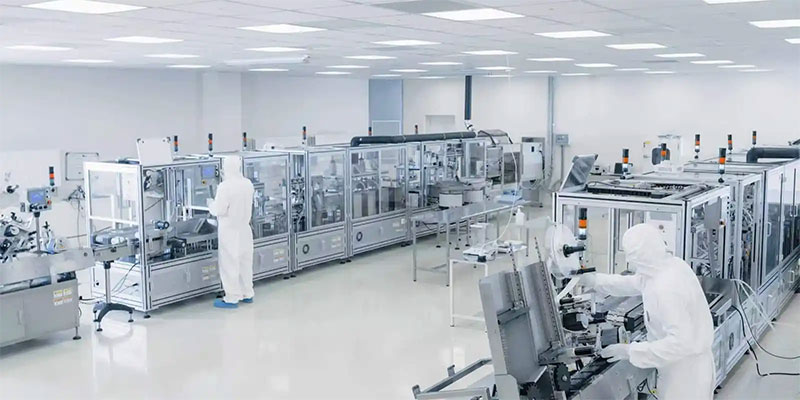
GMP, or Good Manufacturing Practice, is an international framework. It sets out the basic rules for manufacturing, quality control, documentation, personnel hygiene, facility design and process control to ensure products are consistently safe and meet quality requirements. It is widely adopted across Europe, the US and most global markets. Many foreign engineering firms reference GMP directly when designing cleanrooms, because it is a universal baseline standard.
CPOB stands for Cara Pembuatan Obat yang Baik. This is Indonesia’s national GMP regulation, issued and enforced by BPOM — the Indonesian Food and Drug Authority. Simply put: CPOB is the local Indonesian version of GMP, tailored to fit local regulatory expectations, submission procedures and audit requirements for pharmaceutical, API and vaccine manufacturers operating within Indonesia.
A cleanroom built only to general international GMP standards may not automatically pass BPOM audit. There are practical local requirements embedded within CPOB that are not always highlighted in generic international GMP guides. These include local documentation formats, validation protocols, utility monitoring points, segregation rules for cross-contamination, and reporting formats that BPOM auditors expect to see during site inspection. For example, tropical climate considerations such as high ambient humidity and unstable power supply are frequently addressed in CPOB assessment for Indonesian pharmaceutical sites.
For projects targeting Indonesia’s domestic market, the target compliance benchmark is CPOB. The cleanroom design, construction, HVAC system, qualification and validation package all need to be prepared under CPOB requirements, so the factory can submit the dossier to BPOM for product registration.
For export-focused pharmaceutical factories in Indonesia, the project usually needs dual alignment. The facility must satisfy CPOB for BPOM local compliance, while also meeting international GMP expectations to support overseas sales to other Southeast Asian or African markets. This is the most common scenario for mid-to-large Indonesian pharmaceutical clients.
It is important to note one frequent mistake: treating GMP and CPOB as two separate competing standards. CPOB is built on GMP principles, but it carries the legal authority in Indonesia. If your cleanroom contractor only speaks about generic GMP without understanding CPOB audit checklists, you run the risk of rework after construction is finished.
At the practical project level, the cleanroom classification (ISO 14644-1) remains the same. The difference mostly appears in validation deliverables, quality documentation, risk assessment structure and audit traceability. The physical room, air change rates, pressure cascades and surface finishes are designed based on the same cleanroom engineering logic, but the compliance evidence package is what separates a GMP design from a CPOB-ready design.
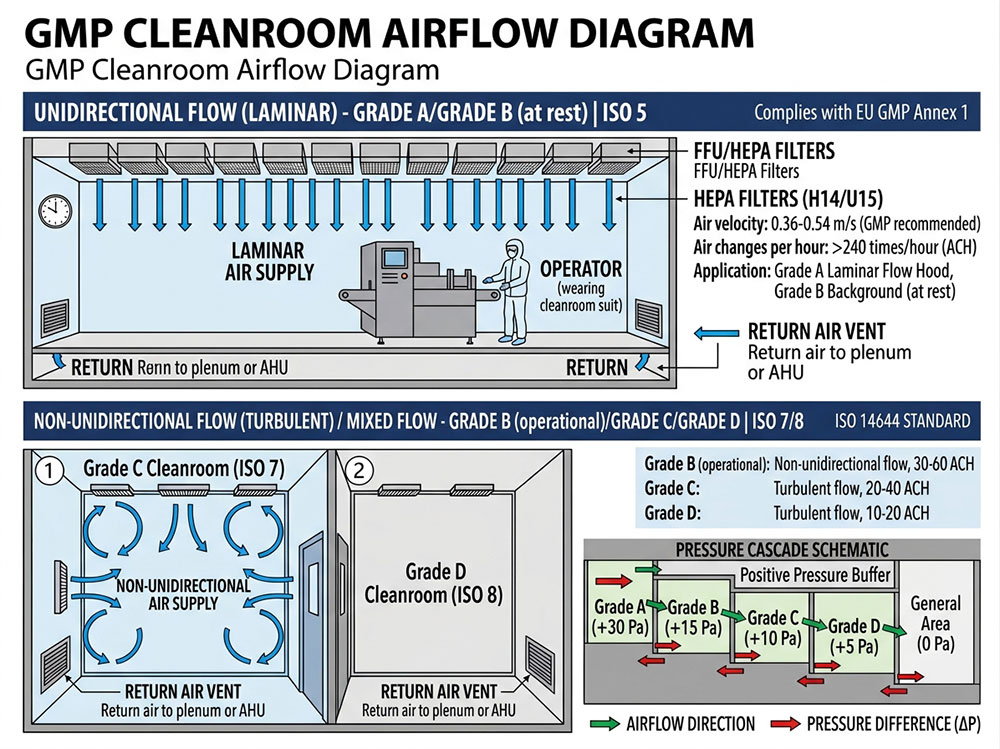
Key Takeaways
GMP = global foundational manufacturing standard.
CPOB = Indonesia’s national GMP regulation, regulated by BPOM.
Selling drugs in Indonesia: cleanroom and validation must be CPOB compliant.
Export projects from Indonesia: design to meet CPOB + international GMP.
ISO 14644 remains the standard for cleanroom particle classification for both cases.
Working with an EPC contractor familiar with BPOM audit workflows helps you avoid costly redesign and validation delays. Our team prepares cleanroom designs, commissioning and validation packages that align with CPOB, while retaining international GMP quality for cross-border manufacturing requirements.
Related Articles
-
BPOM Cleanroom Requirements for Pharmaceutical Plants in Indonesia
-

Cleanroom Maintenance: Complete Guide to Daily, Periodic & Annual Upkeep in Compliance with GMP & ISO 14644
-
Core Technical Essentials of CleanRoom Design and Operation
-
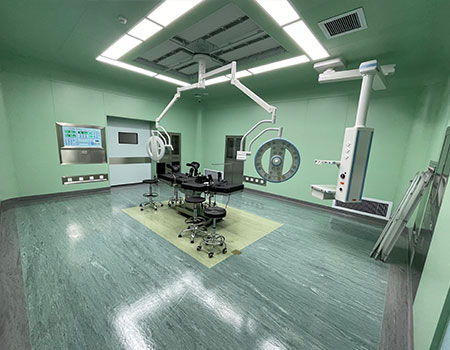
Cleanroom HVAC System Design for Hospital Operating Theatres
-
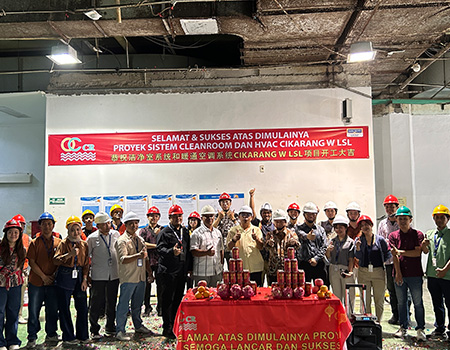
Grand Construction Kick-off Ceremony Held for Sari Roti Bakery Cleanroom Project
-
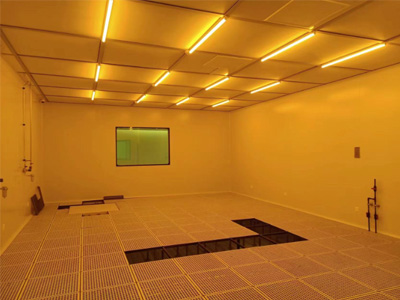
What Parameters Need to Be Controlled in Cleanrooms & Relevant ISO Standard Specifications